Hot Property: The Unwritten Rules of Winter Seating
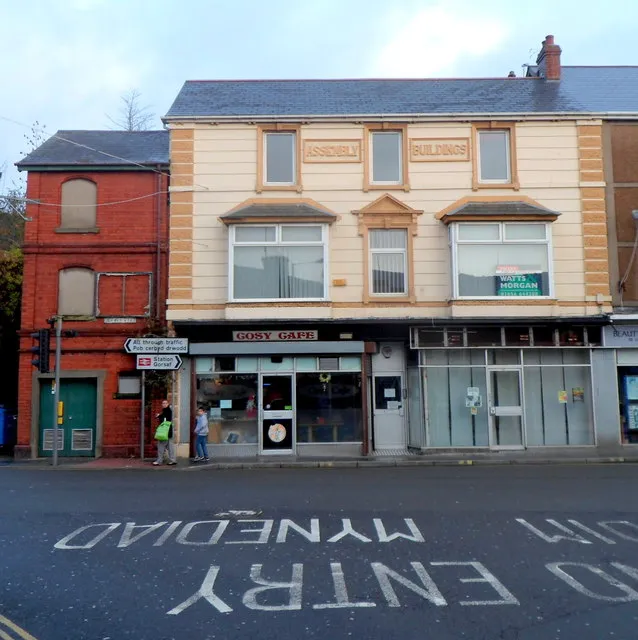
Photo: Jaggery , CC BY-SA 2.0, via Wikimedia Commons
There is a table in here that nobody has ever reserved, that appears on no booking system, and that is nonetheless spoken for most mornings between eight and eleven. It is not the biggest table. It does not have the best view, unless you count a good look at the bins and a slice of pavement as a view. What it has is a radiator directly behind it, and from about the second week of November that is worth more than any window seat in the building.
This year the heating went on a touch earlier than usual. On the morning of 14 November the pavements had that grey, salted look and the first proper frost had settled on the lids of the recycling, and by half eight there were three people in the room quietly circling the same four square feet of tabletop. All of them pretending not to.
The Geography of Warmth
It helps to understand the room. The radiator under the front window is a cast-iron thing, four columns deep, older than most of the furniture and probably older than some of the staff. There's a pipe running up from the floorboards into the corner that knocks twice about ten minutes after the boiler fires, which regulars use as a kind of clock. The table itself is small — two, occasionally three at a squeeze — and it has one enormous advantage that has nothing to do with heat output. It sits in a pocket of wall where the draught from the door doesn't reach.
That's the thing about warmth. It isn't only about the radiator. It's about what's behind you. Sit by the radiator with your back to the wall and you get the heat plus the absence of cold, and the two together are a different order of comfort entirely. Sit by the window three feet further along and you get a cold shoulder and a view of somebody's van. Nobody needs to be told this. People find it out in about eleven seconds, the first time they walk in with wet hair.
What Heat Does to a Conversation
Something happens to the pace of a table once the coats come off.
At a cold table, a coffee is a transaction. You drink it, you check your phone, you leave. At the warm table, the second cup becomes a possibility and then a certainty, and the conversation loosens by a degree or two. I've watched a man who arrives at 7.45 every Tuesday with a paperback and an unspoken policy of no eye contact turn into someone who, by 9.20, is deep into a discussion about the state of the pavements with a woman he's never met. He does it every week. Neither of them would call it friendship. It is, nonetheless, the exact sort of thing that happens in a warm corner and almost never happens at a cold one.
There's a practical side to it too. Gloves come off. Hats go on the back of the chair and then, usually, into a sleeve. The scarf gets draped somewhere inadvisable — please not actually on the radiator, we've had words about this — and the whole business of being out in November briefly stops feeling like an endurance event.
The Rules Nobody Wrote
Here is where it gets interesting, because the radiator table could easily become a source of quiet resentment and mostly doesn't. That's not luck. It's a set of conventions so well understood that nobody has ever needed to say them out loud.
The coat doesn't hold it. A coat on a chair buys you about four minutes while you order. It does not buy you the table for an hour while you go to the shop. Everyone knows this. People who don't know it are gently educated by the simple method of other people sitting down.
You give it up when you're finished. Not when you leave — when you're finished. There's a rough rule of half a cup. Once the drink's below the halfway mark and the room is filling up, the decent thing is to make your exit look natural. Nobody will ask you. The asking is not done. But the table turns over, reliably, and the room stays friendly because of it.
The person who's been coming longest at that hour gets it first. Not by right, exactly. By rhythm. The 8am regular doesn't need to fight for it because the 8am regular is part of the furniture, and the rest of us quietly arrange ourselves around that fact.
If someone needs it more, they get it. A parent with a buggy and a wet walk behind them. Someone who's been out all morning. Anyone visibly over seventy. This is the least written and most consistently observed rule of the lot.
The Small Theatre of It
There's a bit of performance in all this, and it's worth enjoying rather than resenting. The casual sweep past the table to check if it's free. The slight theatrical sigh as a coat comes off. The opening line — it's lovely and warm in here — which is less a compliment than a claim staked out loud, a way of saying I have arrived and I intend to stay a while.
You can tell the temperature of the room by how many people say it. In October, nobody does. By the middle of November it's the second most common sentence in the building, after what can I get you?
The Seat Is a Loan, Not a Deed
The radiator itself is forty years old and gets bled every autumn with a key that lives in the drawer behind the bar. It hisses. It knocks. On very cold days it can't quite keep up with the single-glazed panel above it, and we know it. But it does the one thing a neighbourhood cafe-bar is actually here to do in the middle of November: it makes being out of the house feel better than staying in it.
Which is, in the end, why nobody gets territorial about the warmest table. It isn't really a prize to be won. It's a resource the whole room shares, one ninety-minute loan at a time, on the understanding that your turn will come round again. That's not much of a system. It's just what a neighbourhood looks like when it's working.
If you're in this week, take the corner. Just don't put your scarf on the radiator.