The Generous Table: Why a Six-Pound Lunch Is Only Half the Story
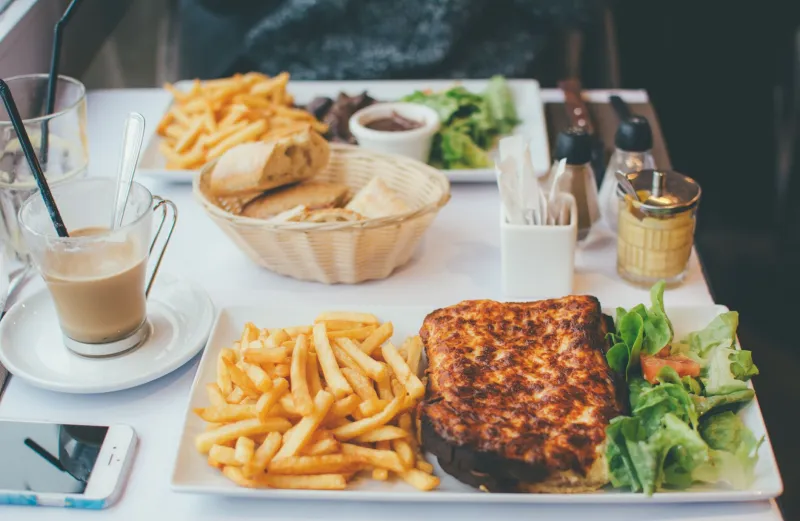
Every neighbourhood has its own lunchtime arithmetic. There is the supermarket meal deal, the office microwave, the sad desk sandwich, and then there is the cafe-bar down the road with a chalkboard offering something for six pounds. On paper, the six-pound lunch looks like the answer to a cost-of-living question. In practice, it is only the opening line.
Value in a cafe-bar is not a single number on a board. It is the whole shape of the hour: whether the plate looks cared for, whether the table is yours for as long as you need it, whether the person behind the bar seems pleased you came in. A cheap lunch that makes you feel like an inconvenience is not good value. A modest lunch that makes you feel welcome is worth rather more than the receipt suggests.
The Number Is Not the Whole Sum
A six-pound lunch is a useful anchor. It gets people through the door on a grey Tuesday when the fridge at home contains nothing but half a lemon and an apologetic bit of cheese. It gives the solo luncher permission to sit down rather than eat standing up. It makes the cafe-bar part of the everyday routine rather than a treat reserved for birthdays and visitors.
But if a venue only ever competes on the cheapest item on the menu, it ends up in a race it cannot win. Someone will always be cheaper. The real question is what the six pounds actually buys. A small bowl of soup with two thin slices of bread is technically lunch. A proper bowl of soup with a doorstep of buttered bread, a glass of tap water offered without asking, and a table by the window is something else entirely. The difference is not extravagance. It is generosity.
What Tap Water and a Second Coffee Actually Cost
There is an old hospitality anxiety that giving away tap water or letting someone linger over one coffee will somehow break the business. In a neighbourhood cafe-bar, the opposite tends to be true. The glass of tap water is not a loss leader. It is a signal that you are welcome to sit down, take your coat off, and be a person for a bit. It costs almost nothing and it changes the temperature of the room.
The second coffee is a similar story. Nobody needs a second flat white. But a cafe-bar that makes the second one easy, whether through a modest price or a simple 'same again?' that does not feel like a sales pitch, understands something important. People do not come back for the cheapest coffee. They come back for the feeling that staying a little longer is allowed.
A Menu That Makes Modest Look Plentiful
Good value is often a matter of construction. Beans on toast can be a sad pile of orange and white, or it can be a thick slice of sourdough, a proper spoon of beans, a scattering of cheese, and a fried egg with a runny yolk. Same ingredients, different intent. The price might hardly change. The lunch does.
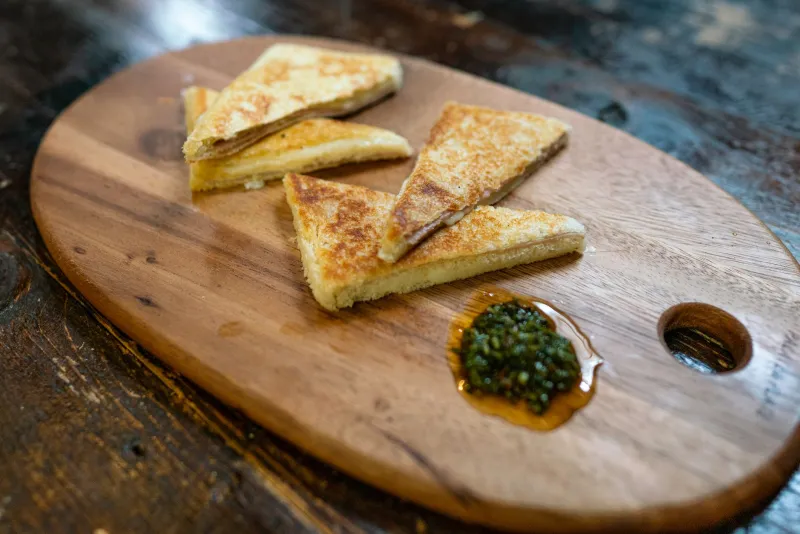
A jacket potato is another quiet test. A mean one comes with a teaspoon of filling and a tired bit of salad. A generous one arrives split open, properly buttered, with enough filling to last to the last mouthful and a few crisps on the side that nobody asked for but everybody eats. A toastie cut into two triangles and served with a little pot of chutney feels like a plate. The same toastie left whole on a bare board feels like a transaction.
The six-pound lunch does not need to be a feast. It needs to feel complete. Soup with bread. A toastie with something sharp on the side. A small plate of something warm and a pot of tea that gives two cups rather than one polite sip. These are not grand gestures. They are the difference between feeding someone and looking after them.
The Welcome That Doesn't Clock-Watch
There is a particular kind of value that never appears on a menu. It is the table that does not get cleared the moment your fork goes down. It is the buggy corner that actually fits a buggy. It is the bench end where a solo luncher can read a book without feeling like they are taking up space. It is the staff member who remembers you take your tea weak and does not make a performance of it.
A neighbourhood cafe-bar earns its place by making the ordinary feel easy. The 1pm table that becomes a 3pm table is not a problem to be managed. It is the whole point. People stay because they feel comfortable, and comfortable people come back. That is not sentimentality. It is the quiet economics of a local venue.
What a Good Lunch Is Actually Worth
Compare the six-pound lunch to the four-pound meal deal eaten at a desk in ten minutes. The meal deal is fine. It is efficient. It does the job. But it does not give you a room with warm light, a bit of background noise, a person who says hello, and the small luxury of somebody else doing the washing up.
The cafe-bar lunch costs a little more because it is a little more. Not grander. Not fancier. Just more human. The six pounds is the entry point, not the finish line. The real value is in what comes alongside it: the tap water, the no-rush table, the second coffee, the welcome that does not check its watch.
So yes, put the six-pound lunch on the board. It is a good invitation. But do not mistake it for the whole story. A neighbourhood cafe-bar is worth what it makes a modest lunch feel like, and that is rarely a number you can count in coins.