How to Turn 'We Should Meet Up' Into a Real Club Night
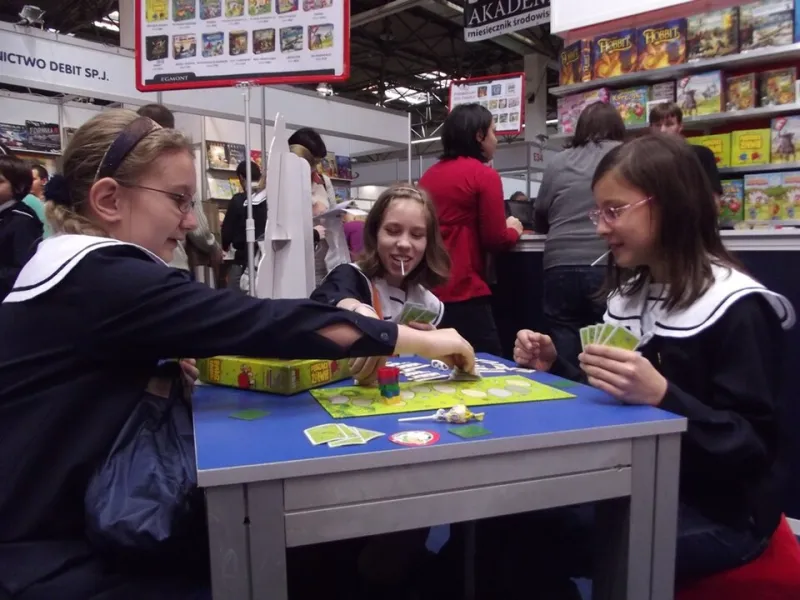
Photo: Piotr Drabik from Poland, CC BY 2.0, via Wikimedia Commons
Every neighbourhood has a group chat with the same message in it: we should meet up sometime. Then someone adds a thumbs-up, someone else says life is mad at the moment, and the idea drifts down the thread. It is not a lack of interest. It is a lack of a date, a place and a reason.
A local cafe-bar can solve the place and the reason. The date is up to you. The good news is that starting a regular club night does not require a projector, a committee or a licence to run events. It requires a format, a venue, a night and a bit of patience.
Choose a format people can explain in one sentence
Book club is the classic for a reason. It gives people something to talk about that is not work, weather or the state of the high street. But it is not the only option. Board games, knitting, sketching, film chat, vinyl listening, a language table, a walking group that starts and ends at the cafe-bar — all of these can work.
The test is simple: can someone explain it in one sentence without adding a list of rules? 'We play board games on the first Tuesday of the month' is clear. 'It is a sort of semi-structured social collective with rotating themes' is not.
Pick something you actually want to do. If you are forcing yourself to run a book club because it sounds worthy, the enthusiasm will wear thin by the second meeting. If you genuinely like board games, people will feel that. The format does not need to be clever. It needs to be repeatable.
Ask the venue before you fall in love with the idea
This is the step people skip. They announce the club, invite twenty people and then ask the cafe-bar if it is free on a Thursday. It is much easier the other way round.
Speak to the manager or the person who runs the rota. Explain what you have in mind: the format, roughly how many people, how long you would need the space, and whether you expect everyone to buy something. Be realistic. A quiet Tuesday night might be perfect for a board game table. A packed Friday is not the moment to ask for the big table by the window.
Be flexible about the night and the corner of the room. Ask what works for them. If they suggest a different day, take it seriously. A club that fits the venue's rhythm will last longer than one that fights it. And do not ask for the moon. You are not booking a wedding. You are asking for a table, some lights and a bit of goodwill.
At a cafe-bar like Pear Tree Cafe Bar, a regular club night fits the idea of the neighbourhood table. It is the sort of thing a local venue can host without turning into a private function room. But it still helps to ask properly, in person or by email, rather than tagging the venue in a story and hoping.
Pick a time that survives real life
Monthly is usually better than weekly at the start. Weekly sounds ambitious, but it also sounds like homework. Monthly gives people a chance to remember, to plan and to come back. If it grows, you can always add a second night.
Think about the actual lives of the people you want to come. A 7pm start is friendly to people who finish work at 5:30 or 6. A 6:30pm start can work for early diners. A 7:30pm start is easier for parents who need to get tea sorted first. There is no perfect time, but there is a time that creates fewer excuses.
Tuesday, Wednesday and Thursday are often good cafe-bar nights. They are not the weekend, so the room is calmer, and they are not Monday, which can feel like a stretch. Keep a clear end time, too. 'Seven to nine' is easier to say yes to than 'from seven onwards'.
Keep the door open
A club night dies when it feels like a clique with a start time. The first rule of a good regular night is that a newcomer should not have to pass a test. Make the cost clear. If there is a book, choose short ones. If there are games, start with ones that can be taught in five minutes. If there is drink, make sure the non-drinkers are just as welcome as the pint drinkers.
Think about access, too. Is the table reachable? Is the room too loud for anyone who struggles with background noise? Could there be a quieter corner? Small choices make a big difference. You do not need a formal inclusion policy. You need to notice who is standing at the edge of the room.
It also helps to have a host, not a boss. One person can welcome people, explain the format and keep an eye out for anyone sitting alone. That person does not have to be you every month. Rotate the role if you can. The club should not depend on one person's energy forever.
Promote it like a neighbour, not a promoter
You do not need a marketing plan. You need a clear name, a fixed date and a few places where local people already look. The group chat is the first stop. Then the venue's own noticeboard, a local Facebook group, the library, the Co-op board, the workplace kitchen. A simple poster with the date, time, format and 'new people welcome' will do more than a glossy campaign.
Ask the cafe-bar to share it too. They know their regulars. A line on their social feed or a card on the counter can reach people who would never see your group chat.
Keep the wording plain. 'Board games at Pear Tree Cafe Bar, first Tuesday of the month, 7pm to 9pm, come alone or bring a friend' tells people everything they need to know. Avoid inside jokes in the promotion. The people who are not already in the group are the ones you are trying to reach.
Let it be small
Six people on the first night is a success. Four is a success if the conversation is good. The aim is not to become a full-time events organiser or to fill the room every month. The aim is to have something regular that people can look forward to and that the venue is happy to host.
If it works, it will grow slowly. If it does not, you can change the format or the night without drama. The important thing is to start before the group chat drifts away again. Pick a format, ask the venue, choose a night and put it in the calendar. The rest is just turning up.