No Questions, No Charge: Why the Water Jug Earns Its Place on Every Table
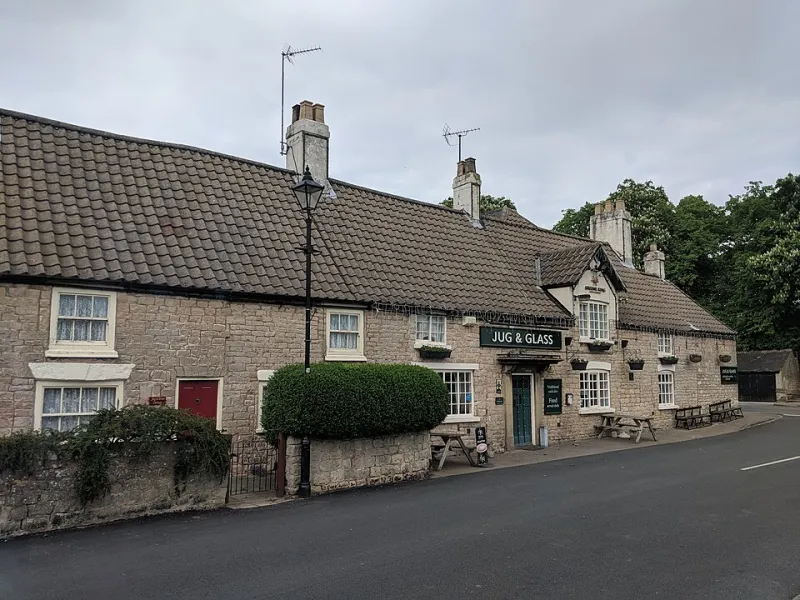
Photo: Enchufla Con Clave, CC BY-SA 4.0, via Wikimedia Commons
There's a particular pause that happens at the bar when someone asks for tap water. Not the ordering pause — the apologetic one. The half-shrug, the quick "sorry, is that alright?", the offer to buy something else as well. It happens most days. And every single time, we want to say the same thing back: it's water. Sit down.
The cheapest line on the list, and the one we argue about most
On paper, a glass of tap water is the least interesting item in any cafe-bar in the country. There's no margin worth measuring. It doesn't photograph. Nobody has ever walked past a chalkboard and thought, go on then, I'll have that.
And yet it's the decision we've revisited more often than half the drinks menu. Do we bring a jug unasked, or wait to be asked? Do we top up a glass that's half empty, or leave it alone in case someone's finished? Do we keep a stack of glasses and a bottle by the window so people can help themselves, knowing full well that a few will wander off to a table with them?
None of those choices appear on a menu. All of them are read, instantly, by anyone who sits down.
In 2026, "just water" isn't just anything
The last few years have taught a lot of people to do quiet arithmetic before they walk into a cafe. Two coffees and a cake, or one coffee and a walk? A round of drinks on Friday, or a quiet pint on Thursday when it's cheaper? That arithmetic hasn't gone anywhere in 2026. If anything, it's become second nature — a thing people do without noticing they're doing it.
Which is why the glass of tap water is not a neutral object. For some customers it's a habit. For others it's the thing that makes the difference between coming in and walking past. There's a whole category of people who would never say so out loud: the ones saving for something, the ones between paydays, the ones who came for the company and not the coffee, the ones who've already spent their money elsewhere that day and just want to sit somewhere warm for twenty minutes.
If the only way to be in the room is to buy something, they aren't in the room. Simple as that.
A legal floor, not a ceiling
It's worth being clear about the rules, because they're often misunderstood. Premises licensed to sell alcohol in England and Wales have to provide free drinking water on request, and most of us do it without thinking. But that's a floor, not a standard. Complying with a licence condition is not the same as being welcoming, in the way that putting a roof on a building isn't the same as making it a home.
The interesting decisions all happen above the legal line. Whether the jug comes before you ask. Whether the glass is clean and cold. Whether there's a slice of something in it on a hot afternoon. Whether a child can have one without an adult buying a hot chocolate first. Whether someone who has just run for a bus gets a glass and a nod, no transaction required.
The second-glass problem
Here's the etiquette nobody writes down. The first glass is easy. The second one is where the whole thing lives or dies.
There is a very British dance that happens around refills. The customer doesn't want to ask twice in case it looks like they're taking the mickey. The staff member doesn't want to hover in case it looks like they're counting. So the glass sits there, half full, and everyone pretends not to notice it.
Our answer, after a lot of trial and a fair bit of error, is boring and effective: bring a jug. Not a glass — a jug. Put it down with the first drink and walk away. Nobody has to ask twice, nobody has to feel watched, and nine times out of ten the table orders something else anyway, because being looked after makes people relax.
What a water station actually does to a room
We keep a tap and a stack of glasses near the front window, and it's quietly changed the place. Cyclists fill bottles. Parents refill for children who have decided, loudly, that they are dying of thirst. Somebody taking tablets at eleven in the morning doesn't have to explain themselves. A person waiting for a friend who is running twenty minutes late has something to do with their hands and a reason to keep the table.
It's also a small act of trust. You put glasses out and you accept that some will chip, some will go missing, and the occasional one will end up in a bag. The alternative — locking water behind a counter and a queue — costs you more in atmosphere than it ever saves in glassware.
The tree out front is mostly water too
A pear is roughly eighty-four per cent water, which we like as an excuse. The tree by the door doesn't ask for much and gives away a lot — shade in July, a bit of mess in October, something to look at while you wait for your flat white to cool down. The water jug is the indoor version of the same idea. Free, unglamorous, quietly doing a job.
Back to the glass
So no, we don't think tap water is a political statement, exactly. It's a glass of water. But the decision to hand it over without a bill, without a sigh and without a question is one of the few things a cafe-bar can do that costs almost nothing and means almost everything.
The next time you're doing that apologetic half-shrug at a bar somewhere, remember you don't need to. Ask. The good places are always pleased you did.