A Pot of Tea and the Whole Morning: Notes on the Solo Table
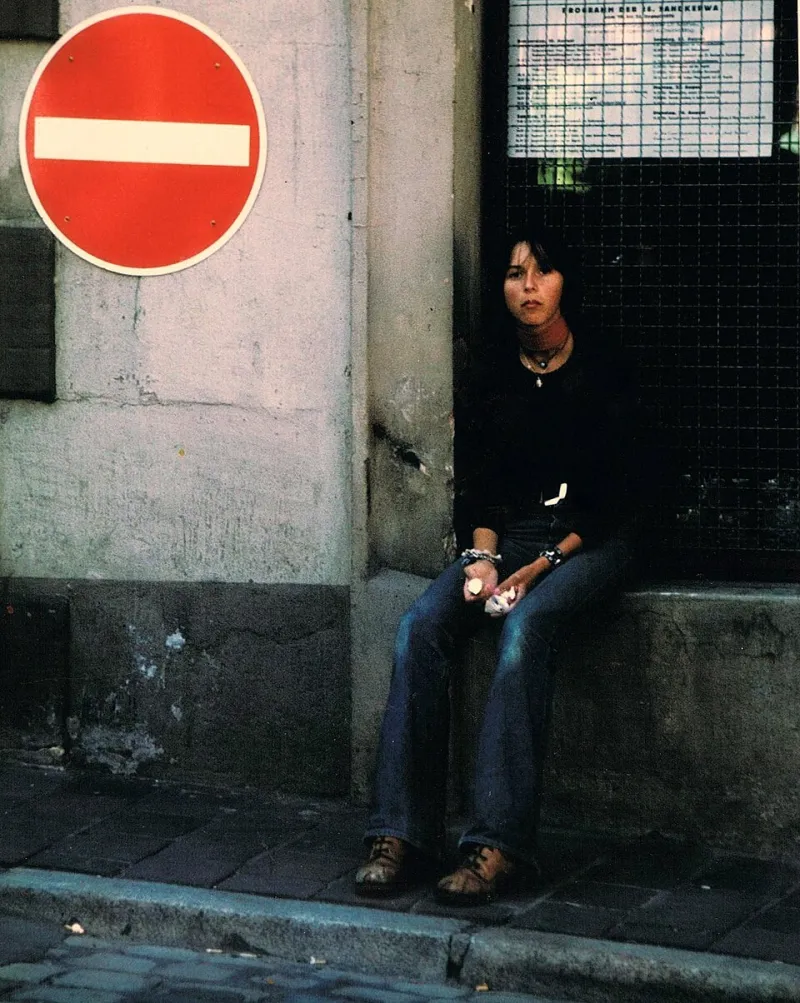
Photo: Stiller Beobachter from Ansbach, Germany, CC BY 2.0, via Wikimedia Commons
There is a particular kind of quiet that settles over a cafe-bar at eleven in the morning. The breakfast rush has thinned, the lunch trade has not yet arrived, and the room belongs to a handful of people who have chosen to be there alone. One has a newspaper folded into quarters. Another is writing in a notebook that has seen better days. A third is simply looking out of the window with a pot of tea going slowly cold beside them. None of them look lonely. Most of them look like they have got exactly what they came for.
Solo dining has spent years being treated, in some quarters, as a slightly awkward thing to do in public — something to be apologised for, sped up, or tucked away near the toilets. That is a mistake. At a neighbourhood cafe-bar, the table for one is often the most loyal table in the room. It is also one of the best tests of whether a venue actually understands hospitality, rather than just saying the word on its website.
The Eleven O'Clock Regular Is Not Waiting for Anyone
There is a tendency to assume that anyone sitting alone at eleven is killing time before a friend arrives. Sometimes they are. More often, they are not. They have built a small ritual around a gap in their day: a coffee and a slice of something, twenty minutes with a book, a chance to sit still before the afternoon gets loud. In 2026, with so much of daily life conducted through a screen, that hour has become a genuine luxury.
A good cafe-bar recognises this without making a performance of it. No hovering. No pointed comments about whether they are expecting anyone. No seating them at the wobbliest stool in the corner because the good tables are "for groups". The solo diner has chosen your room for a reason. Let them enjoy it.
Why the Window Seat Earns Its Keep
Ask anyone who regularly eats alone where they would rather sit and the answer is almost always the same: somewhere with a view of the street. Not because they are waiting for someone, but because a window seat gives a solo table a bit of theatre. There is weather to watch, dogs to admire, a bus to be mildly annoyed by. It makes the room feel part of the neighbourhood rather than a holding pen.
For UK venues, this is worth thinking about practically. A window seat does not need to be the biggest table in the house, but it should be genuinely comfortable. A proper chair. A bit of room for a plate and a cup and a paper. Ideally, a hook or a spare chair for a coat. Small things, but they add up to the message that a single person is as welcome as a party of six.
Pacing Is Everything
A solo diner is not necessarily a fast diner. One of the quiet pleasures of eating alone is the ability to set your own pace — to order a second coffee before the first is finished, to linger over the last of a toasted sandwich, to decide halfway through that actually, yes, a small glass of something would go down nicely. The service should never rush that, nor abandon it entirely.
The best approach is the one good cafe-bars already use with their regulars: read the table. A solo diner with a laptop and a deadline may want efficient, minimal fuss. A solo diner with a pot of tea and the crossword may want to be left entirely alone for forty minutes. A quiet check-in — eye contact, a small nod, a "everything alright there?" that does not demand a full conversation — is usually enough. The second pour, offered without being asked, is a particularly good sign. It says: we see you, and we are not in a hurry for you to leave.
A Menu That Says Yes to One
Menus are often designed for sharing, which is lovely, but they can leave the solo diner doing awkward arithmetic in their head. A neighbourhood cafe-bar in 2026 should make it easy to eat well alone. That might mean a proper single portion of something hot, rather than only small plates and a side. It might mean a lunch deal that does not require two people to trigger it. It might simply mean a menu with clear, tempting options at a range of prices, so that a solo visit does not feel like either a stingy choice or an expensive one.
The same goes for drinks. A pot of tea for one. A small glass of wine. A single measure of something dark and warming. These are not afterthoughts. They are the backbone of an eleven o'clock trade that keeps a room alive between the peaks.
The Second Pour and Other Small Loyalties
Solo diners notice things. They notice whether the water jug is refilled without being asked. They notice whether the music is too loud for reading. They notice whether the staff seem pleased to see them or merely tolerant of them. And they repay that attention with loyalty that is hard to buy: the midweek visit, the quiet recommendation to a friend, the habit that becomes part of the rhythm of their week.
At Pear Tree Cafe Bar, we have come to think of the eleven o'clock solo table as a kind of barometer. If it feels comfortable — if the window seat is taken, the tea is hot, and nobody is being hurried along — then the rest of the day usually follows suit. If it does not, that is worth fixing.
A Small Checklist for the Room
None of this requires a refurbishment. It requires attention. A comfortable chair by the window. A menu that works for one without feeling like a penalty. Service that reads the table rather than the clock. A second pour offered before it is needed. And a quiet understanding that a person sitting alone at eleven in the morning is not waiting for the room to fill up. They are already exactly where they want to be.
A table for one is not an empty table. It is a full one, with a person in it who chose your cafe-bar over the kitchen at home, the office, or the slightly sad alternative of a sandwich eaten standing up. That deserves a decent chair, a warm welcome, and absolutely no fuss.